
No matter what wellbeing challenges you are facing right now one of the most important things to consider as you step into prioritizing your recovery to vital health is who you have supporting you.
By this I do not mean your friends and family. It is a given (for those of us blessed to have healthy relationships with our loved ones), that those who care about us want to see us recovering our strength and returning to vital wellbeing. Getting their support via practical help to assist in the creation of time and space for you to rest is of course essential.
As is taking any personal leave you having owing to you from your workplace. Take whatever time you can and need in order to return to functioning fully and at your best.
My question today though, is who do you need to ‘recruit’ in order to get on the path of recovery and support you on that journey?
Today, living in this digital age we have all sorts of information at our fingertips. Yet I urge you not to self-diagnose. Not that research and getting informed are not very important to do. However, please seek professional advice first and then do additional research to assist you in moving forward.
Whatever you are dealing with, I encourage you to go and seek professional advice. Reach out and ask for help from trusted health practitioners that are trained in the area that is applicable to what you are dealing with. Whatever happens, I urge you to advocate for yourself, ask questions and listen to your intuition. You know your body better than anyone else – let its’ inherent wisdom guide you on this journey. Do not be afraid to ask for explanations along the way. This is your life and health. You need to be in control.
Here are the questions I asked myself when I realized I needed to get help back in January 2019, when stubbornly pushing through and going it alone was just plain no longer going to cut it.
Who can I see first to see what the hell is going on with my body?

My personal response to this was my family doctor, as in General Practitioner. This is always a great first step, especially if you have a trusted family doctor that has been seeing you or your family members for a considerable amount of time. If you are unhappy with what results in this conversation, seek a second opinion. Ask someone you trust for a referral to another doctor and begin again.
I personally, though mollified, was quite unsatisfied with how my situation was handled. We had only been in the region for a year and my new GP did not know me well. I had only seen her once before and was not happy that she did not recommend further action to confirm her diagnosis. She did however, provide me with a thorough examination and explanation which gave me enough information to move on to the second question.
Where else can I go for ongoing support to recover from this?
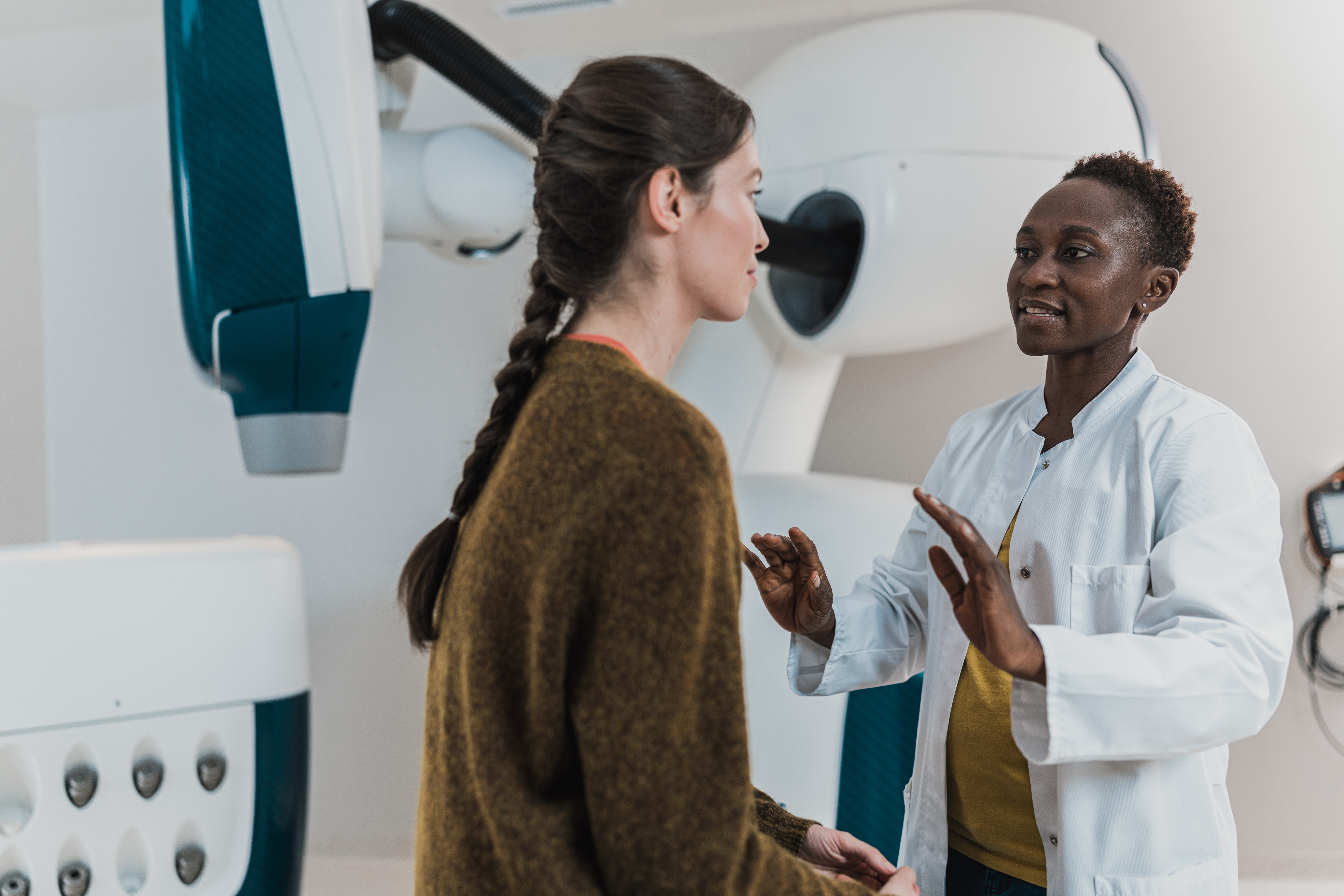
Everybody’s situation is unique and your GP may well give you clear direction regarding whether you need to have tests, see specialists or seek out allied health support.
Whether practitioners such as a dietician/nutritionist/naturopath, psychologist/psychiatrist, physiotherapist, chiropractor or podiatrist are advised or whether you need tests and to see specialist medical professionals; this is a good thing. Your GP may guide you to allied health or ask if you already have existing relationships with practitioners that you trust. You may also need to be referred to specialists and testing. Be guided and again, don’t be afraid to ask questions. This may also be a great time to ask others that you know and trust who may have faced a similar issue as your own for a recommendations.
Whatever path you have to go down, do so. I know it can be daunting and also a financial stress. However, you are so worthy of any investment it may take. Having health insurance is very important and may save you a lot of stress however our Medicare system is also there to support you at these times and your GP can guide you about what you are eligible for in terms of funding support.
Unfortunately, I was not given this direction but was able to take the required initiative to do this for myself. Fortunately, about 12 months before I’d tweaked my neck and sought out Osteopathy to get it right again. I had been really impressed with the care I received and so when faced with the issue of pain and immobility, felt confident that this was a good place to start. I had also seen an Osteopath back in Melbourne for a previous knee injury and had really good results. Osteopathy was a good fit for my situation.
If you are also experiencing a muscular-skeletal issue or chronic pain due to auto-immune issues, this article from Allied Health Professionals Australia is really useful for an overview of who may be able to help.
What advice am I getting from my practitioners?

Upon moving forward to the next step, where test results and treatment options come into play it is so vital to be an active part of the process. If you are unsure, uncomfortable or something feels off speak up and ask as many questions as you like. Take your time and remember this is not something you have to do alone. Taking a loved one that you trust along to help you can be really beneficial. Especially when you are feeling unwell and often overwhelmed by what is going on and what you may be facing moving forward.
My experience resulted in being sent for Ultrasound and MRI to confirm diagnosis and then very closely monitored, regular treatment to begin with. I was given things to do at home and told to rest. The tests and treatment were really scary and painfully slow. I was very fortunate to build instant rapport and trust with my Osteopath. He took great care and worked closely with me to establish what was going on. I am extremely grateful to still be working with him regularly 5 years later.
However, over the years my Osteopath has also encouraged to seek out additional support. I have sought counselling to get emotional support via a psychologist, have consulted with an Orthopaedic surgeon who referred me to Physiotherapy in order to get a Hydrotherapy plan (fortunately I did not require surgery), began regular remedial massage and worked with a naturopath, health coaches and my own intuition to address my diet and hydration, in particular to assist me to reduce inflammation within my body.
As you can see, there can be a variety of things that may be necessary to return you to vital health. Listening and acting on the advice of your trusted practitioner is key to this.
How can I take informed action to move forward in a positive way?

All I can say is you need to take one thing at a time and be willing to invest time and money in yourself.
YOU ARE WORTHY OF THAT. If you haven’t already done so up to this point – love yourself enough to realise your wellbeing matters more than anything.
Do it for yourself and for those who love you and want to see you happy, healthy and thriving.
Listen to the advice you’re given and become committed to doing what is necessary. What that is will vary depending on what you are dealing with. It may be a little or it may be a lot. If you are in crisis be prepared to overhaul your life in a multitude of ways.
For me, this meant resigning my job and finding alternate ways to work that served me better and allowed me to rest and recover. This has been quite the journey of discovery and was not an easy process but it was also liberating and empowering. This process (which I may explore in a separate, future blog post) has taken me from grieving a career lost to celebrating new beginnings. If this resonates with you and you feel you may need some support with this process, feel free to reach out.
I had to accept that I would not be able to contribute in the same way financially for a time. This meant sacrifice and adjustment for all members of my family and leaning on those I loved and appreciating them in new ways. I began to continually set new boundaries and communicated my need for help with things. This was hard going for this former Miss Independent who now realises that I am better when linking arms with others and being interdependent (that was such a huge and wonderful lesson to learn).
Most of all though I was determined to learn from this experience and realised I had to make changes in order to move forward and heal. I chose to communicate with my body more deeply. I tuned in and did both the inner and outer work. I have been transforming physically, emotionally and spiritually. This has become a journey of deep self-love and self-acceptance. I move with the ebbs and flows. I appreciate how far I’ve come while recognizing that my healing journey continues.
It is ongoing.
May you, too, find the courage to do what is required to return to vital wellbeing. Lean on those that willingly lend a hand. You are never alone. Give yourself permission to take it slowly. – one day at a time.
I would love to know if this article has been useful to you and how you’ve gone on your own journey back to health. Feel free to leave a comment below and let me know.
To your wellbeing always,
Katrin

 Your Wellbeing Matters Coaching